
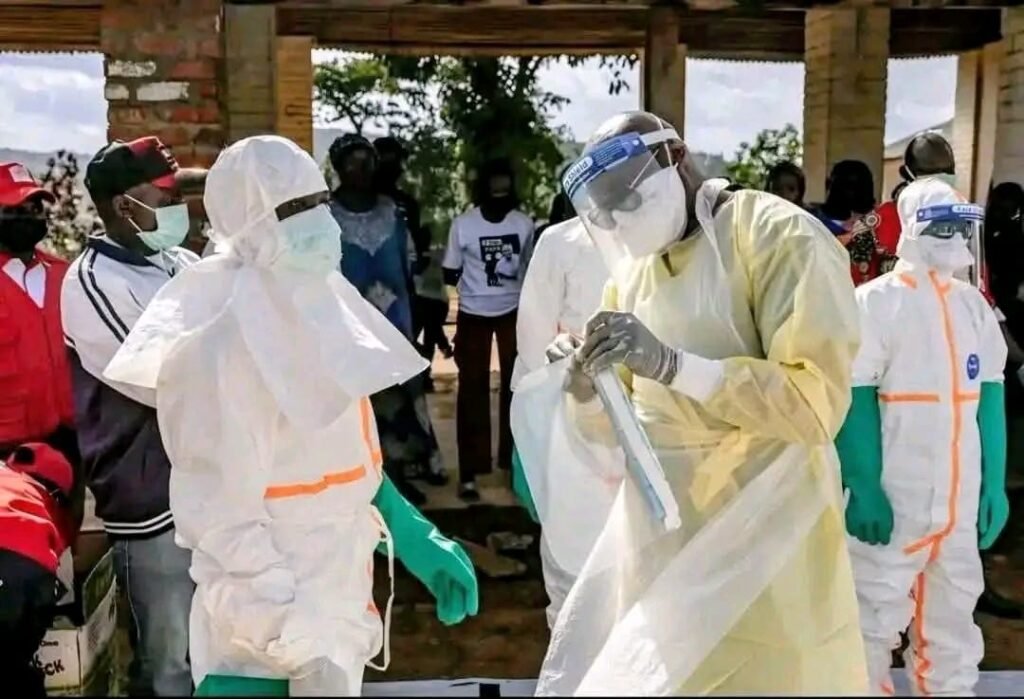
Ebola in Kenya: Symptoms, How It Spreads, Prevention and What Every Family Should Know
Ebola is a serious viral disease that can cause severe illness and death. Whenever reports of an Ebola outbreak circulate, many people want answers to important questions: What are the symptoms of Ebola? How does it spread? Is there a vaccine? Can Ebola reach Kenya? And what should you do if you suspect exposure?
Understanding the facts can help you avoid misinformation, recognise potential warning signs and take appropriate precautions.
In this guide, we explain the basics of Ebola, how it spreads, the symptoms to watch for, and practical steps that individuals, families and communities can take to prepare.
What Is Ebola?
Ebola virus disease is a severe illness caused by certain viruses in the Ebolavirus group. It can affect humans and some other primates.
The disease can begin with symptoms resembling other infections, including fever, headache, muscle pain and weakness. In severe cases, patients may develop vomiting, diarrhoea, abdominal pain and bleeding.
Ebola outbreaks require rapid identification, appropriate medical care, contact tracing and infection-prevention measures to reduce further transmission.
What Causes Ebola?
Ebola is caused by infection with an Ebola virus. Scientists believe that fruit bats are natural hosts of some Ebola viruses, although the precise natural reservoir and transmission pathways are not fully established for every virus species.
Human infections may occur through contact with infected animals or through direct contact with the blood, bodily fluids or contaminated materials of an infected person.
Ebola is not caused by cold weather, ordinary stress or simply being in the same room as someone who is not infectious.
What Are the Symptoms of Ebola?
Early Ebola symptoms can resemble malaria, influenza and other illnesses. This makes it important to consider a person’s exposure history as well as their symptoms.
Possible symptoms include:
-
Fever
-
Severe headache
-
Muscle and joint pain
-
Unusual tiredness and weakness
-
Sore throat
-
Loss of appetite
-
Vomiting
-
Diarrhoea
-
Abdominal pain
-
Unexplained bruising or bleeding in some cases
Symptoms commonly begin between 2 and 21 days after exposure, with many cases developing symptoms within approximately 8–10 days.
Important: Having a fever does not mean that someone has Ebola. However, if you develop compatible symptoms after possible exposure or travel connected to an outbreak, seek urgent advice from health authorities and tell them about your exposure before arriving at a healthcare facility. Do not attempt to diagnose Ebola at home.
How Does Ebola Spread?
Ebola spreads primarily through direct contact with the blood or bodily fluids of a person who is sick with or has died from Ebola, when the virus enters another person’s body through broken skin or mucous membranes.
Transmission can also occur through contaminated objects, such as needles or other materials contaminated with infectious bodily fluids.
Important points to understand:
-
Ebola is not generally spread through casual contact with someone who has no symptoms.
-
People infected with Ebola are not considered infectious before symptoms begin.
-
Traditional burial practices involving contact with the body of someone who died from Ebola can create a risk of transmission.
-
Survivors may require medical guidance because the virus can persist in certain bodily fluids, including semen, for a period after recovery.
Understanding these routes of transmission helps families and communities take sensible precautions without unnecessary panic.
What Is the Incubation Period for Ebola?
The incubation period is the time between infection and the appearance of symptoms.
For Ebola virus disease, the incubation period is generally 2–21 days.
A person who has had a possible exposure should follow instructions from public-health professionals. Monitoring periods and any recommended restrictions depend on the specific exposure and official public-health guidance.
Do not assume that someone is infected simply because they travelled through an area reporting cases. Equally, do not ignore symptoms after a credible exposure.
Is There an Ebola Vaccine?
Vaccine availability depends on the Ebola virus species responsible for an outbreak.
Vaccines have been developed and authorised for Ebola virus disease caused by the Zaire ebolavirus species. However, these vaccines should not be assumed to protect against every Ebola virus species.
For example, the Bundibugyo virus is distinct from the Zaire ebolavirus. Vaccine candidates and research for different Ebola species may have different development and approval statuses.
For this reason, readers should check the latest World Health Organization and Ministry of Health announcements for information about the particular strain involved in any outbreak.
There is currently no single vaccine that protects against every Ebola virus species.
Can Ebola Be Treated?
There is no universal cure that applies to every Ebola virus species.
Treatment includes supportive medical care, such as replacing fluids and electrolytes, managing symptoms, monitoring organ function and treating complications. Specific treatments are available for some forms of Ebola but not all.
Early medical attention can improve the management of severe illness. Suspected cases should be assessed by trained healthcare professionals using appropriate infection-control procedures.
Never rely on herbal remedies, unverified online treatments or home remedies as substitutes for professional medical care.
How Can Families in Kenya Prepare for Ebola?
Preparedness starts with reliable information, good hygiene and knowing how to respond to a suspected exposure.
Practical steps include:
-
Follow official updates. Use announcements from Kenya’s Ministry of Health and the World Health Organization rather than unverified social-media messages.
-
Practise good hand hygiene. Wash your hands with soap and water, especially after using the toilet, before preparing food and after potentially contaminating activities.
-
Avoid contact with bodily fluids. Never touch the blood, vomit, diarrhoea or other bodily fluids of someone suspected of having Ebola without appropriate professional protection and procedures.
-
Do not handle suspected contaminated materials. Leave cleaning and disinfection of potentially infectious environments to appropriately trained personnel.
-
Seek medical advice after possible exposure. Tell health professionals about the circumstances of the exposure and follow their instructions.
-
Share accurate information. Avoid spreading rumours, identifying suspected patients publicly or stigmatising people because of their nationality, location or travel history.
-
Prepare your household. Make sure family members know where to find trusted health information, how to contact local health services and what to do in an emergency.
Preparedness does not mean living in fear. It means knowing what actions to take if circumstances change.
What Should You Do If You Suspect Ebola Exposure?
If you believe you have had direct contact with someone who may have Ebola, contact the relevant health authorities promptly for instructions.
If you develop compatible symptoms after a possible exposure:
-
Seek urgent medical guidance.
-
Explain the exposure and any relevant travel history.
-
Avoid close contact with others while awaiting instructions.
-
Do not travel to a clinic or hospital without first informing the healthcare provider of the concern, unless emergency services direct you otherwise.
If someone is severely ill, contact emergency medical services and explain the suspected infection so the appropriate precautions can be arranged.
Where Can You Find Reliable Ebola Information?
During an outbreak, information can change quickly. Use trusted sources for confirmed cases, affected locations, travel advice, prevention guidelines and vaccine updates.
Useful resources include:
-
Kenya Ministry of Health: https://health.go.ke/
-
World Health Organization: https://www.who.int/health-topics/ebola
-
WHO Ebola virus disease fact sheet: https://www.who.int/news-room/fact-sheets/detail/ebola-virus-disease
Always check the publication date of outbreak reports and distinguish confirmed information from rumours.
Get Prepared With The Ebola Preparedness Guide
Knowing the facts is an important first step. Having reliable information organised in one place can also help you prepare more confidently.
The Ebola Preparedness Guide is designed for readers who want a practical resource to help them understand the disease, recognise important warning signs, learn about transmission and prevention, and make informed preparedness decisions.
Whether you are a parent, teacher, community member or someone who simply wants to understand Ebola better, learning the fundamentals can help you make more responsible decisions when health concerns arise.
Get your copy of the Ebola Preparedness Guide today
Stay informed. Prepare responsibly. Protect your family with reliable information.
Disclaimer: This article is for general educational purposes only. It does not replace professional medical advice, diagnosis or treatment. Follow current guidance from qualified healthcare professionals and official public-health authorities.